
The Pool That Fits Where a Full-Size Pool Cannot: What a Plunge Pool Does for a Property in Ashland, MA
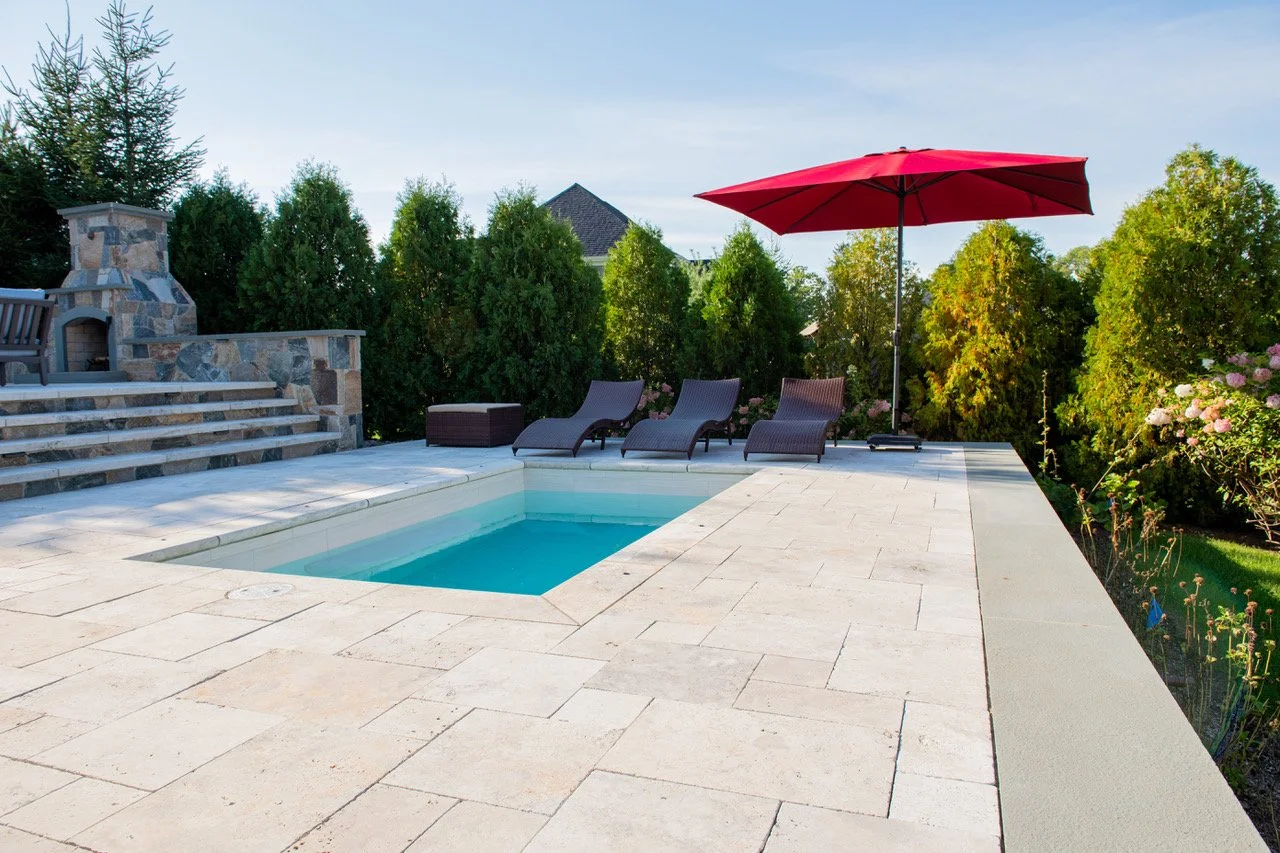
Not every property needs a full-size swimming pool. Some lots do not have the space. Some homeowners do not want the maintenance commitment. Some backyards are already built out with patios, plantings, and outdoor living features that leave a footprint too small for a traditional pool but too valuable to leave empty.
That is where a plunge pool changes the equation.
A plunge pool is not a compromise. It is a different category. Smaller in scale. More intentional in design. And when it is built by someone who understands how water, hardscape, and landscape work together, it delivers an experience that is closer to a spa than a swimming pool, with a presence on the property that is closer to a water feature than a recreation area.
In the towns west of Boston, where lot configurations are varied and the homes carry a certain standard, the plunge pool has become one of the most requested additions in residential landscape design. Not because it is trendy. Because it solves a real problem: how to bring water into a backyard that was never designed to accommodate a full-size pool.
Related: Enhance Relaxation With a Pergola and Plunge Pool in Westwood, MA & Norfolk, MA
What a Plunge Pool Actually Is
The term gets used loosely. Some people call any small pool a plunge pool. But there are distinctions that matter.
A plunge pool is typically 6 to 14 feet in length and 6 to 8 feet in width. The depth ranges from 4 to 7 feet, which is deeper relative to its footprint than a standard pool. It is designed for soaking, cooling off, and relaxing rather than swimming laps or hosting pool parties. Some include bench seating molded into the shell. Some include jets for hydrotherapy. Some are heated for year round use. And some are designed purely for the visual and sensory experience of having water in the landscape.
What separates a plunge pool from a small pool is the design intent. A small pool is a full size pool that was scaled down. A plunge pool is an entirely different concept. The proportions are different. The depth to width ratio is different. The relationship to the surrounding landscape is different. And the way people use it is different.
That distinction matters because it shapes every decision in the design process, from the shell material to the equipment to the deck layout to the way the pool connects to the rest of the outdoor space.
Why the Site Drives the Design
A plunge pool is small enough to fit on properties where a traditional pool would not work. But small does not mean simple. The site still needs to support the structure, the plumbing, the electrical, and the equipment, all within a tighter footprint and often in closer proximity to the house, the patio, and the existing landscape.
In Needham, Newton, Wellesley, Dover, Sherborn, and Weston, the properties present a range of conditions that affect how and where a plunge pool can be built:
Setback requirements dictate how close the pool can sit to the property line, the house, and any structures. On smaller lots or lots with irregular boundaries, these setbacks can significantly limit placement options.
Grade changes affect excavation, drainage, and the structural requirements of the pool shell. A property with a slope may benefit from a plunge pool that is partially above grade on one side, which creates opportunities for a raised wall with a spillway or a waterfall feature that would not be possible on a flat lot.
Soil conditions in this part of Massachusetts vary from rocky ledge to heavy clay to sandy fill depending on the specific location. Excavation through ledge requires specialized equipment and increases project cost and timeline. Understanding what is below the surface before construction begins is essential.
Access to the site matters more with a plunge pool than with most landscape features because the equipment, the shell components, and the excavation machinery all need to reach the installation area. On properties with narrow side yards, mature trees, or existing hardscape, access planning is a critical part of the design phase.
Proximity to the house and the primary outdoor living areas determines how the pool is experienced. A plunge pool positioned adjacent to the patio, visible from the kitchen or the living room, and integrated with the surrounding seating and planting areas becomes a daily feature. One tucked into a far corner of the yard becomes an occasional destination.
These factors shape the design before the shape of the pool is even discussed. The site tells you what is possible. The design makes the most of it.
Shell Options and What They Mean for Your Project
There are two primary construction methods for a plunge pool, and each one carries a different set of trade offs.
Prefabricated fiberglass shells are manufactured off site and delivered to the property as a single unit. They are available in a range of sizes and configurations designed specifically for plunge pool applications. The surface is smooth, non porous, and resistant to algae, which reduces chemical demand and simplifies maintenance. Installation is faster than site built options because the shell arrives ready to set, which reduces the duration of construction on the property.
The limitation of fiberglass is that the shape and size are fixed. The homeowner selects from available models rather than designing a custom shape. For many properties, the available options fit well. For properties with unusual dimensions, tight access, or specific design requirements that a catalog model cannot accommodate, a custom approach may be necessary.
Site built plunge pools are constructed in place using gunite, shotcrete, or concrete block. They offer total design flexibility. The shape, the depth, the bench locations, the step configuration, and the interior finish are all custom. This method allows the pool to be designed around the exact conditions of the site rather than the other way around. The trade off is a longer construction timeline and a higher cost relative to prefabricated options.
The right method depends on the property, the budget, the design goals, and the timeline. A plunge pool contractor who works with both methods can guide the homeowner toward the option that delivers the best result for the specific project.
Related: 6 Plantings to Provide Privacy to Your Plunge Pool in the Sherborn, MA, Area
Equipment, Features, and What They Add to the Experience
Because a plunge pool is compact, the equipment that supports it is also smaller and more efficient than what a full-size pool requires. The pump, the filter, the heater, and the automation system are all scaled to the volume of the pool, which means lower energy consumption, quieter operation, and a smaller equipment pad that is easier to conceal within the landscape.
But the features that can be added to a plunge pool are where the experience becomes personal.
Jets transform a plunge pool into a hydrotherapy environment. Positioned along the bench seating or at specific depths, they create resistance for low impact exercise and targeted massage that turns a quick soak into a genuine wellness experience. For homeowners who want the benefits of a spa without the separate structure, jets integrated into a plunge pool deliver both in one feature.
Spillways and sheer descent waterfalls add a visual and auditory layer that makes the pool feel more like a water feature than a swimming pool. A sheet of water falling from a raised wall into the pool surface creates sound, movement, and reflection that elevate the entire space. These features are particularly effective when the plunge pool is positioned adjacent to a seating area or visible from the house.
Heating systems extend the season dramatically. A plunge pool's smaller volume means it reaches temperature quickly and holds it efficiently, making heated use practical from early spring through late fall and, for some homeowners, through the winter. The cold plunge trend has also increased interest in plunge pools that are intentionally kept cool, offering the physiological benefits of cold water immersion in a controlled, private setting.
Automation ties everything together. A single app can control water temperature, lighting, jets, and filtration, allowing the homeowner to prepare the pool before they step outside without walking to an equipment pad or adjusting manual controls.
What Happens Around the Pool Matters as Much as the Pool Itself
A plunge pool is compact. Which means the space around it is proportionally more important than it would be around a larger pool. Every inch of deck, every planting, every stone, and every piece of furniture is visible and contributes to the overall impression.
The pool deck needs to be appropriately scaled. A plunge pool surrounded by an oversized patio looks lost. A plunge pool with a tight, well proportioned deck that transitions cleanly into the surrounding landscape looks intentional. The material should complement the home's exterior and any existing hardscape on the property. Natural stone, porcelain pavers, and bluestone are all common choices in this market, and each one creates a different tone.
Plantings around a plunge pool serve a dual purpose. They soften the hardscape, add seasonal interest, and create privacy screening where needed. But they also need to be selected carefully. Species that drop leaves, berries, or seeds into the water create maintenance problems. Species with aggressive root systems can damage the pool shell or the plumbing over time. The planting plan needs to account for both aesthetics and practicality.
Lighting transforms a plunge pool from a daytime feature into an evening centerpiece. Underwater LED lighting, perimeter path lights, and accent lighting on surrounding plantings and stone work create a layered effect that makes the pool area feel intimate and inviting after dark. In a landscape where the plunge pool is positioned near the patio and the primary seating area, the lighting design ties the entire space together.
When the pool, the deck, the plantings, and the lighting are designed as a single composition, the result is a backyard that feels complete and cohesive. When they are designed separately, the result is a small pool sitting in the middle of a patio with some plants around it. The difference is design intent, and it is visible.
How New England's Climate Affects a Plunge Pool
A plunge pool in Massachusetts faces the same climate challenges as any other water feature or hardscape installation in the region. The freeze thaw cycle is aggressive. Winter temperatures drop well below freezing for extended periods. And the spring thaw can shift soil, crack poorly prepared surfaces, and stress plumbing that was not properly winterized.
The pool shell, whether fiberglass or site built, needs to be engineered for frost movement. The plumbing needs to be winterized by blowing out all lines and draining the equipment before the first hard freeze. The pool itself may be partially drained or covered depending on the shell type and the owner's preferences.
Properties that heat their plunge pool can extend the usable season significantly. With a properly sized heater, a plunge pool in this region can be comfortable from April through October, and in some cases through the winter months for homeowners who enjoy the cold plunge experience. The compact volume of a plunge pool means it heats faster and costs less to maintain at temperature than a full size pool, which is one of the practical advantages of the smaller format.
Coping and deck materials need to handle freeze thaw without cracking, spalling, or shifting. Drainage around the pool perimeter needs to prevent water from pooling against the shell during rain events and snowmelt. And the equipment pad needs to be positioned where it is accessible for maintenance but concealed from the primary views of the pool area.
These are details that a contractor experienced with plunge pool installations in New England builds into the design. They are not afterthoughts. They are structural requirements.
The Plunge Pool That Earns Its Place on the Property
A plunge pool is a permanent addition. It changes the backyard. It changes how the family uses the outdoor space. And on properties in this market, where the homes are well built and the landscapes are carefully maintained, it changes the way the property is perceived.
The homeowners who are happiest with their plunge pool are the ones who treated the project the way they would treat any significant addition to the home. They started with the site. They worked with someone who understood the constraints and the opportunities. They made decisions about materials, equipment, and layout based on how the pool would function within the larger landscape. And they ended up with a feature that feels like it was always meant to be there.
If you have been wondering whether your backyard has room for water, there is a good chance it does. The question is not whether a pool will fit. It is what kind of pool the space is asking for. That is a question worth answering before you decide what to build.
Related: Limited Outdoor Space? A Plunge Pool Is a Great Investment in the Wellesley and Dover, MA, Areas
About the Author
As a fourth-generation landscape and building construction professional, Peter Indresano grew up working for his father’s construction business. At just 14 years old, he worked 50 hours per week in the summers, which helped him develop his strong work ethic and uncompromising belief that a clean job is a happy job.