
How Thoughtful Plantings Carry a Massachusetts Landscape Through All Four Seasons in Ashland, MA
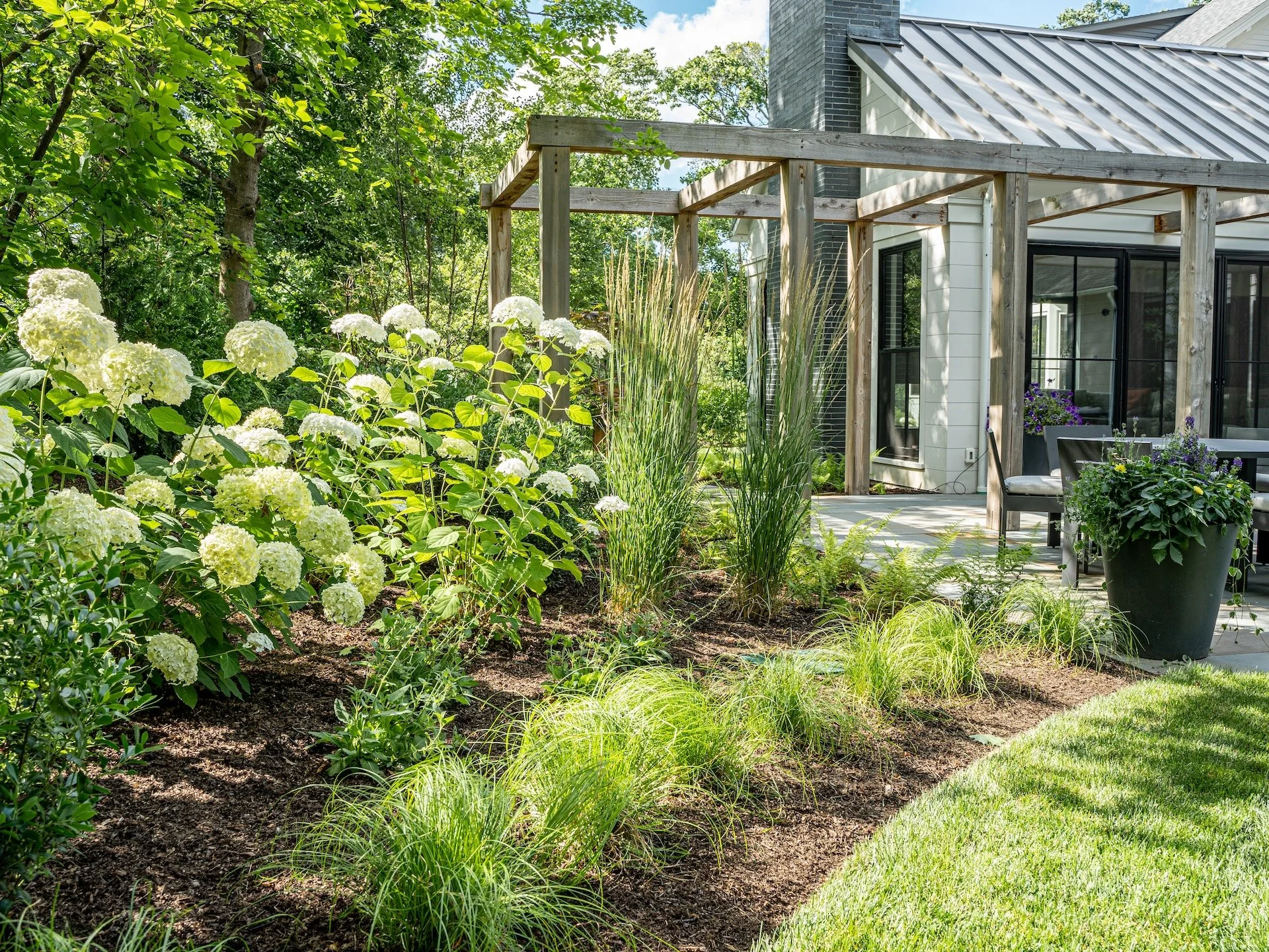
There is a moment most homeowners around Ashland recognize without quite naming it. The patio is finished, the pool is in, the stonework is exactly right, and yet the yard still feels unfinished. Something is missing along the edges, against the foundation, in the beds that frame the view from the kitchen window. What is missing is almost always the planting. Hardscape gives a landscape its bones, but plantings give it life, movement, and the changing color that makes a property feel like it belongs to the place it sits in.
In a region with a real winter and a short, generous summer, plantings are not decoration you add at the end. They are the part of the landscape that responds to the calendar, softens the architecture of the stone, and decides whether the property looks intentional in February as well as July. Getting them right takes more than picking a few attractive shrubs at a garden center. It takes a plan that understands the soil, the light, the climate, and the way you actually live in your outdoor space.
Related: See the Difference Professional Landscape Design and Plantings Can Make to Your Natick, MA Home
What the New England Climate Asks of Every Plant You Choose
Eastern Massachusetts sits in a climate that is rewarding and demanding in equal measure. The growing season is relatively short, running from the last frost in mid to late spring through the first hard frost in October. Winters bring repeated freeze thaw cycles, where the ground heaves and settles as temperatures swing above and below freezing, sometimes within the same week. The frost line in this part of the state runs deep, and roots that are not well established going into winter can be pushed out of the ground entirely by that heaving.
The soils around Ashland and the surrounding communities of Dover, Natick, Needham, and Wellesley tend toward heavier, rockier glacial till, often with pockets of clay that hold water in spring and bake hard in late summer. Drainage varies dramatically from one corner of a property to the next. A plant that thrives in a well drained bed near the driveway may drown in a low spot fifty feet away. This is why the same plant list cannot simply be copied from one yard to the next.
These conditions shape every good planting decision in the region:
Hardiness has to be honest, not hopeful. Plants need to be reliably rated for the zone rather than borderline selections that survive a mild winter and die in a cold one. A planting plan built on hardy material looks the same in year five as it did in year one.
Root establishment timing matters enormously. Material installed with enough season left to root in before the ground freezes will hold through winter heaving far better than something planted too late in the fall.
Drainage has to be read bed by bed. The right plant in the wrong soil moisture fails slowly and expensively, so matching species to the actual conditions of each area protects the whole investment.
Winter interest cannot be an afterthought. In a climate where the garden is dormant for months, the structure, bark, berries, and evergreen forms that carry the off season are as important as the summer blooms.
Salt and snow load near drives and walks affect what survives along the edges, where plowing and de icing put stress on anything planted too close to the pavement.
When the plant choices respect these realities, the landscape settles in and improves every year. When they ignore them, the homeowner ends up replacing material on a frustrating cycle that never quite resolves.
Building Color That Moves Through the Calendar
The difference between a landscape that looks good for three weeks in June and one that looks good for nine months is sequencing. A strong planting plan is layered so that as one element fades, another is coming into its own. The goal is a yard that always has something happening, even if no single plant is at its peak.
Spring is the easy season to fill, but it is also where many plantings peak and then collapse into a flat green summer. The better approach builds a succession. Early bulbs and flowering shrubs open the year. Perennials take over through early summer, with bloom times staggered so the beds keep cycling through color rather than emptying out all at once. Late summer and fall bring grasses, asters, and the foliage shifts that give a New England autumn its character.
Then there is the part most people underestimate, which is what the garden does after the leaves come down. This is where evergreen structure, the architecture of well placed shrubs, ornamental bark, and persistent berries do their work. A property planned only for the warm months looks abandoned by November. A property planned for all four seasons looks composed and cared for even under snow, with green forms and interesting silhouettes holding the design together until spring returns.
Seasonal displays add another layer on top of the permanent plantings. Containers and beds refreshed through the year, pansies and cool weather color in spring, vibrant arrangements through summer, mums and ornamental cabbage in fall, and potted evergreens with bright stems in winter, keep the entrances and gathering areas feeling current. They are the accent notes over the structural melody of the permanent plantings, and rotating them keeps the property from ever looking static.
Related: Create the Perfect Alfresco Dining Spot With Landscape Design and Plantings in Westwood, MA
How Plantings Tie the Whole Outdoor Living Space Together
On a property with real outdoor living spaces, a paver patio, a pool, an outdoor kitchen, the plantings do something beyond looking pretty. They define the rooms. A patio without planting feels like a slab dropped into a yard. The same patio framed by layered beds, with structure at the corners and softness along the edges, feels like a destination that was always meant to be there.
Plantings handle the transitions the hardscape cannot. They screen a view you would rather not see, soften the hard line where stone meets lawn, and draw the eye from one part of the property to the next. Around a pool, the right plant selections create privacy and a sense of enclosure without dropping debris into the water or heaving the coping over time. Along a walkway, low plantings guide movement and make the path feel intentional. Against the house, foundation plantings settle the architecture into the ground so the home does not look like it is floating on a bare lot.
This is why plantings are most effective when they are considered as part of the whole design rather than added on after everything else is built. The plant palette can echo the tone of the stonework, repeat colors found in the home, and reinforce the way the spaces are meant to be used. A landscape designed this way reads as one composition, not a collection of separate projects that happened to end up in the same yard.
It is also where local knowledge earns its keep. A team that works across Ashland, Dover, Wellesley, and the surrounding towns knows which plants hold up to the deer pressure common in the area, which selections tolerate the wet spring soils, and which combinations have proven themselves in this specific climate rather than in a catalog photograph taken somewhere else entirely.
Reading Light, Exposure, and the Microclimates of a Single Property
One of the things that separates a planting plan that thrives from one that limps along is the recognition that a single property is not one growing environment. It is several. The south facing front of a house bakes in full afternoon sun while the north side stays cool and shaded most of the day. A bed tucked against a stone wall holds warmth into the evening, while an open corner of the yard catches wind that dries the soil and stresses anything not suited to exposure. A low area near a downspout stays wet long after the rest of the property has drained.
Each of these is a microclimate, and the plants that succeed in one will struggle in another even though they sit a short walk apart. A planting plan that ignores this puts sun lovers in the shade and moisture sensitive selections in the wet spots, then wonders why half the beds underperform. A plan that reads the property carefully does the opposite, matching each plant to the conditions of the exact spot it goes into, so the whole landscape settles in evenly rather than thriving in some corners and failing in others.
This kind of reading takes time on site and a working knowledge of how each plant actually behaves, not just how it looks in a photograph. It is the difference between a plant list assembled at a desk and a planting plan designed for the property it will actually live on. The yards around Ashland, Dover, and Wellesley are full of mature trees, varied grades, and the kind of established conditions that reward this attention and punish the lack of it.
The Long View on a Planting Investment
A planting plan is one of the few parts of a landscape that is supposed to look better with time rather than worse. Stone holds its line, but plantings mature. The shrubs fill in, the perennials spread, the structure deepens, and the design that looked a little sparse the first season becomes lush and established by the third. This is the payoff for choosing well at the start and giving the material the right conditions and care to settle in.
That maturing only happens when the early decisions are sound. Plants spaced for their mature size rather than crammed in for instant fullness will avoid the overcrowding that forces a hard reset a few years later. Material matched to the soil and light it actually sits in will keep filling in instead of struggling. And a plan that accounts for how the beds will look in every season means the property keeps earning its keep all year, not just during the few weeks everything happens to bloom at once.
Maintenance is part of the picture too. Even the best designed plantings need seasonal attention, the cutbacks, the dividing, the refreshing of seasonal color, the pruning that keeps structure crisp. A planting plan built with that care in mind, rather than one that fights against it, stays beautiful with reasonable effort instead of demanding constant rescue.
See What the Right Plantings Could Do for Your Property
Picture the view from your kitchen window in a few years. The beds are full and layered, color moving through them from the first bulbs of spring to the last grasses of fall, and even in the depth of winter the structure holds, green and composed under the snow, so the yard never looks like it gave up for the season. That is what a planting plan built for this climate and this property delivers over time.
If your landscape feels unfinished around the edges, or the plantings you have never quite settled in the way you hoped, the conversation starts with a look at your property and how you want to use it. Reach out and we can talk through what would thrive in your specific conditions and carry your landscape beautifully through every season.
About the Author
As a fourth-generation landscape and building construction professional, Peter Indresano grew up working for his father’s construction business. At just 14 years old, he worked 50 hours per week in the summers, which helped him develop his strong work ethic and uncompromising belief that a clean job is a happy job.